Easy Roasted Garlic Rosemary Artisan Bread – The Best Homemade Loaf Recipe
Introduction
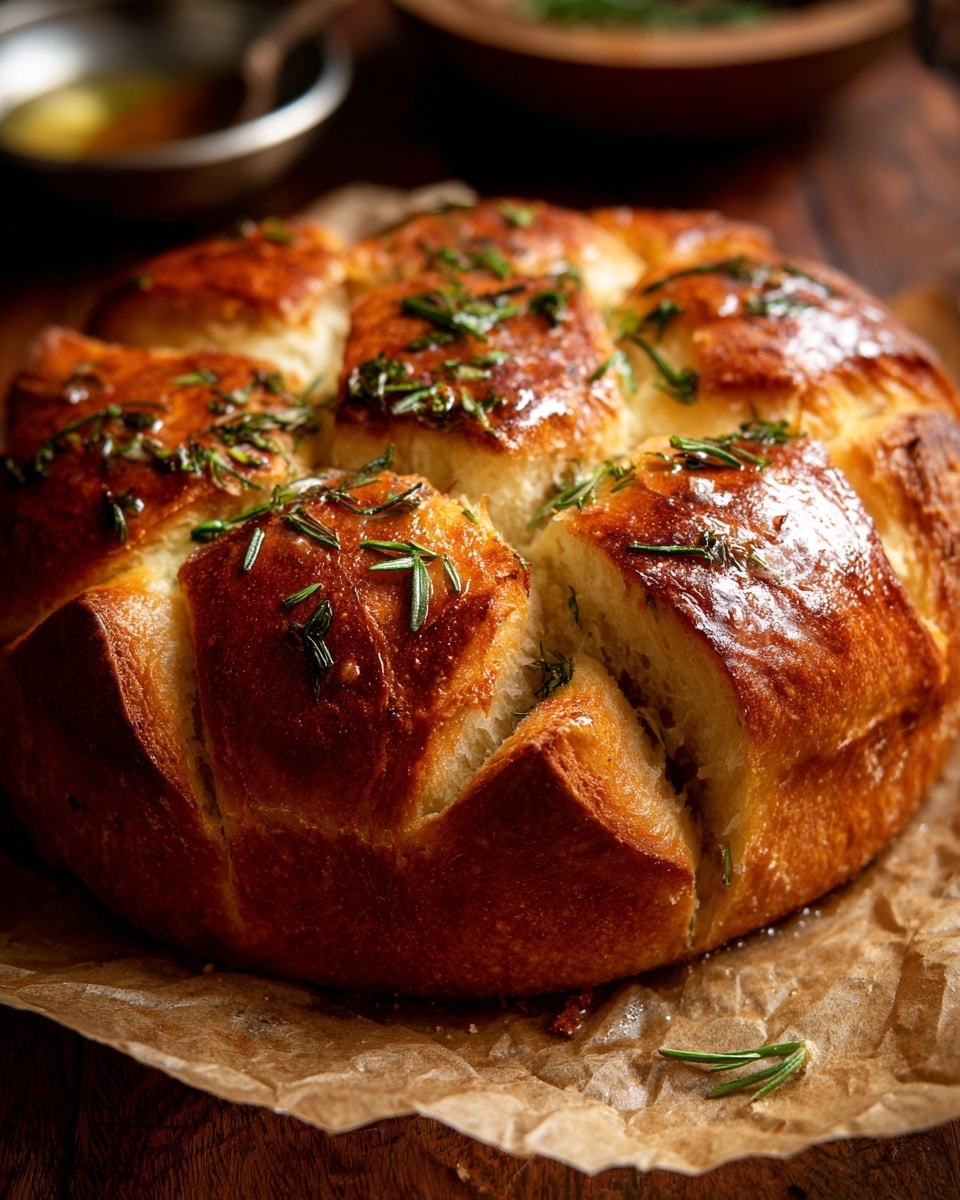
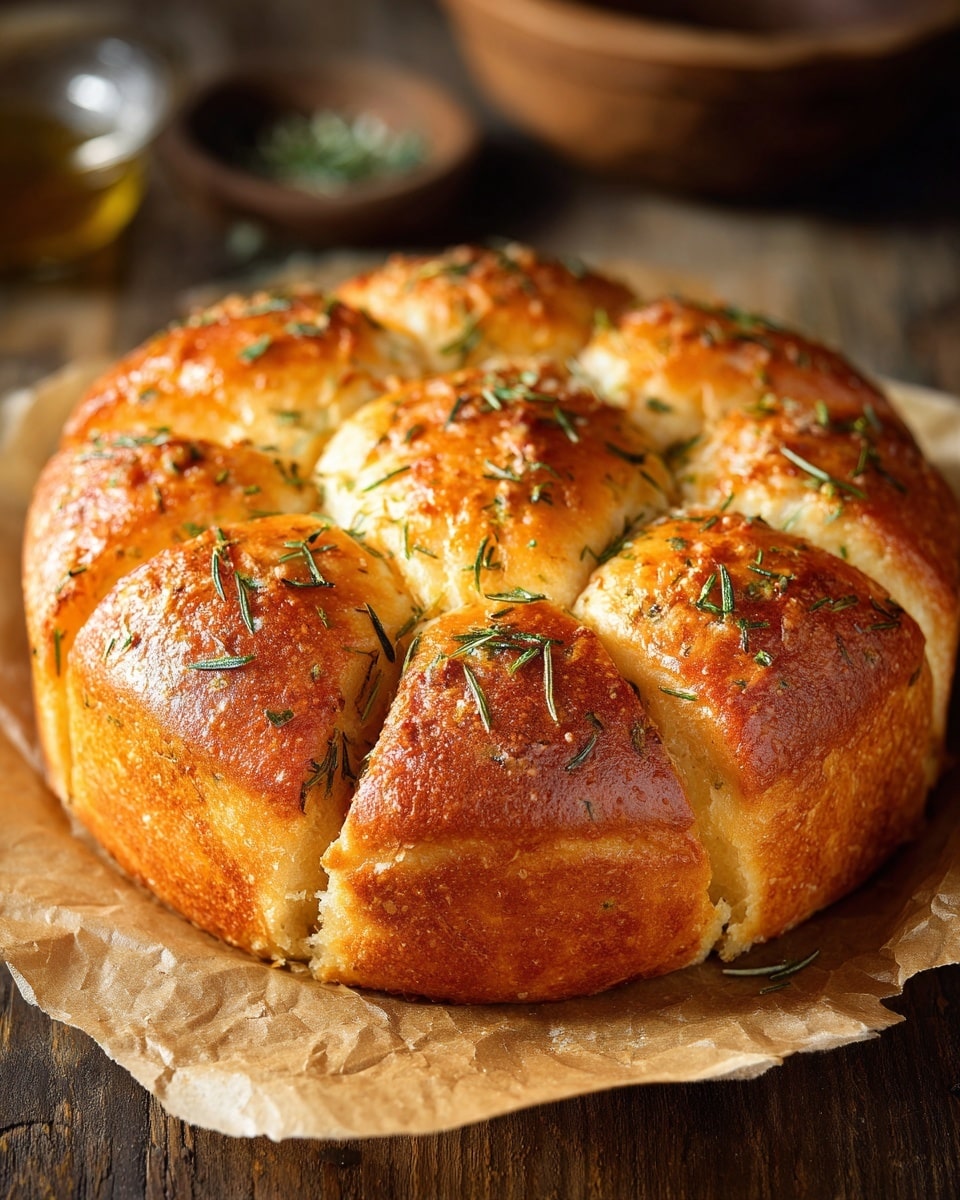
This easy roasted garlic rosemary artisan bread is a fragrant, flavorful homemade loaf that elevates any meal. With a crispy crust and soft, aromatic crumb, it’s perfect for slicing and sharing. Let’s bake the best artisan bread right in your kitchen.
Ingredients
- 1 whole head garlic
- 1 tablespoon extra-virgin olive oil (divided)
- Coarse sea salt & freshly ground black pepper
- 1½ cups water (room temperature, ~70°F / 21°C)
- 1 teaspoon active dry yeast
- 3 cups bread or all-purpose flour (plus more for dusting)
- ½ teaspoon dried oregano
- 1 teaspoon kosher or fine sea salt
- 2 teaspoons finely chopped fresh rosemary (plus more for topping)
- 1 head roasted garlic cloves (smashed)
Instructions
- Step 1: Preheat the oven to 400°F (204°C). Cut the garlic head in half, drizzle the exposed cloves with half the olive oil, and sprinkle with coarse sea salt and black pepper. Wrap it tightly in foil and roast for 40 minutes. Allow to cool, then remove the roasted cloves from their skins.
- Step 2: In a small bowl, dissolve the yeast in the room-temperature water and let it sit for 10–15 minutes until frothy. In a large bowl, combine the flour, kosher salt, dried oregano, and fresh rosemary. Add the yeast mixture, smashed roasted garlic cloves, and the remaining olive oil. Mix with a spatula until the dough is sticky and combined.
- Step 3: Cover the bowl with a clean towel and let the dough rise at room temperature for 8–10 hours, until it has doubled in size.
- Step 4: Turn the dough onto a floured surface and gently shape it into a ball. Place it seam-side up in a floured bowl or bread basket. Cover and refrigerate for 1 to 24 hours, or up to 48 hours for a deeper, more complex flavor.
- Step 5: Preheat your oven to 450°F (232°C) with a Dutch oven inside to heat. Remove the dough from the fridge, invert it seam-side down onto a piece of parchment paper, and score the top with a sharp blade to allow expansion during baking. Optionally sprinkle with additional fresh rosemary.
- Step 6: Carefully place the dough, with the parchment paper, into the hot Dutch oven. Cover and bake for 30 minutes. Then uncover and bake for another 15–20 minutes until the crust is golden brown and crisp.
- Step 7: Remove the bread from the Dutch oven and transfer it to a wire rack. Let it cool for at least 1 hour before slicing to set the crumb.
Tips & Variations
- For a more intense garlic flavor, add extra roasted cloves into the dough.
- Substitute fresh herbs like thyme or sage for rosemary to change the flavor profile.
- Dust the dough with cornmeal instead of flour for a crunchy bottom crust.
- If you don’t have a Dutch oven, bake the dough on a preheated baking stone with a pan of water below to create steam.
Storage
Store the bread at room temperature wrapped loosely in a clean kitchen towel for up to 3 days. For longer storage, slice and freeze the bread in an airtight container for up to 3 months. To reheat, toast slices or warm the whole loaf in a 350°F oven for 10-15 minutes.
How to Serve
Serve this delicious recipe with your favorite sides.
FAQs
Can I use active dry yeast instead of instant yeast?
Yes, you can use active dry yeast by dissolving it in water before mixing, as directed. Instant yeast can be mixed directly with dry ingredients, but both work well.
Do I have to refrigerate the dough for the cold ferment step?
Refrigeration isn’t required but recommended. It develops more complex flavors and improves texture. If short on time, you can shape and bake immediately after the first rise, though flavor will be milder.
Print
Easy Roasted Garlic Rosemary Artisan Bread – The Best Homemade Loaf Recipe
- Total Time: Approximately 10 to 36 hours including fermentation times
- Yield: 12 servings 1x
- Diet: Vegetarian
Description
This Easy Roasted Garlic Rosemary Artisan Bread is a homemade rustic loaf bursting with the rich flavors of roasted garlic and fresh rosemary. Perfectly crusty on the outside and soft inside, this bread requires minimal ingredients and slow fermentation for a deep, savory taste that pairs wonderfully with any meal.
Ingredients
For the Bread Dough:
- 1 whole head garlic
- 1 tablespoon extra-virgin olive oil (divided)
- Coarse sea salt & freshly ground black pepper, to taste
- 1½ cups water (room temperature, ~70°F / 21°C)
- 1 teaspoon active dry yeast
- 3 cups bread or all-purpose flour (plus more for dusting)
- ½ teaspoon dried oregano
- 1 teaspoon kosher or fine sea salt
- 2 teaspoons finely chopped fresh rosemary (plus more for topping)
- Roasted garlic cloves from 1 head (smashed)
Instructions
- Roast the Garlic: Preheat your oven to 400°F (204°C). Slice the garlic head in half horizontally, drizzle the exposed cloves with half the olive oil, then sprinkle with coarse sea salt and freshly ground black pepper. Wrap the garlic tightly in aluminum foil and roast in the oven for 40 minutes until soft and fragrant. Allow to cool, then carefully remove the garlic cloves from their skins and smash them lightly.
- Mix the Dough: In a small bowl, dissolve the active dry yeast in the room temperature water and let it sit for about 10–15 minutes until it becomes frothy. In a large mixing bowl, combine the flour, kosher salt, dried oregano, and finely chopped fresh rosemary. Add the yeast mixture, roasted garlic cloves, and the remaining olive oil to the dry ingredients. Stir with a spatula until a sticky dough forms.
- First Rise: Cover the bowl containing your dough with a clean kitchen towel and leave it to rise at room temperature for 8 to 10 hours, or until the dough roughly doubles in size. This slow fermentation develops the flavor and texture of the bread.
- Shape and Cold Ferment: Gently turn the risen dough out onto a floured surface. Shape it carefully into a tight ball without deflating it too much. Place the dough seam-side up into a floured bowl or bread basket. Cover it again and refrigerate for 1 to 24 hours, up to 48 hours if you want a more complex flavor.
- Preheat Oven & Score: About 30 minutes before baking, preheat your oven to 450°F (232°C) and place a Dutch oven with its lid inside to heat as well. Remove your dough from the refrigerator and invert it gently onto a piece of parchment paper so the seam side is down. Using a sharp blade, score the top of the dough to allow for expansion during baking.
- Bake: Carefully lift the parchment paper with the dough and place it into the hot Dutch oven. Cover with the lid and bake for 30 minutes. After 30 minutes, remove the lid and bake uncovered for an additional 15–20 minutes, or until the bread develops a deep golden-brown crust.
- Cool & Slice: Remove the bread from the Dutch oven and place it on a wire rack. Let it cool completely for at least 1 hour before slicing to ensure the crumb sets properly and maximum flavor is enjoyed.
Notes
- Using a Dutch oven helps mimic a professional steam oven, creating a crispy crust.
- Slow fermentation improves flavor and texture significantly—do not rush this step.
- You can substitute dried rosemary with thyme or a mixed herb blend if preferred.
- Make sure to score the dough to prevent it from cracking during baking.
- Store leftover bread in a paper bag at room temperature for up to 3 days. Freeze for longer storage.
- Prep Time: 15 minutes (plus 8-10 hours for first rise and 1-24 hours for cold fermentation)
- Cook Time: 50 minutes
- Category: Bread
- Method: Baking
- Cuisine: American, Artisan
Keywords: artisan bread, roasted garlic bread, homemade bread, rosemary bread, easy bread recipe, Dutch oven bread, slow rise bread