Fig and Dark Chocolate Sourdough with Rich Inclusions Recipe
Introduction
Sourdough bread is beloved for its tangy flavor and chewy texture. Adding inclusions like fruits, nuts, and chocolate transforms a simple loaf into a flavorful and visually stunning creation. This guide will help you master the art of incorporating inclusions into your sourdough for delicious, unique results.
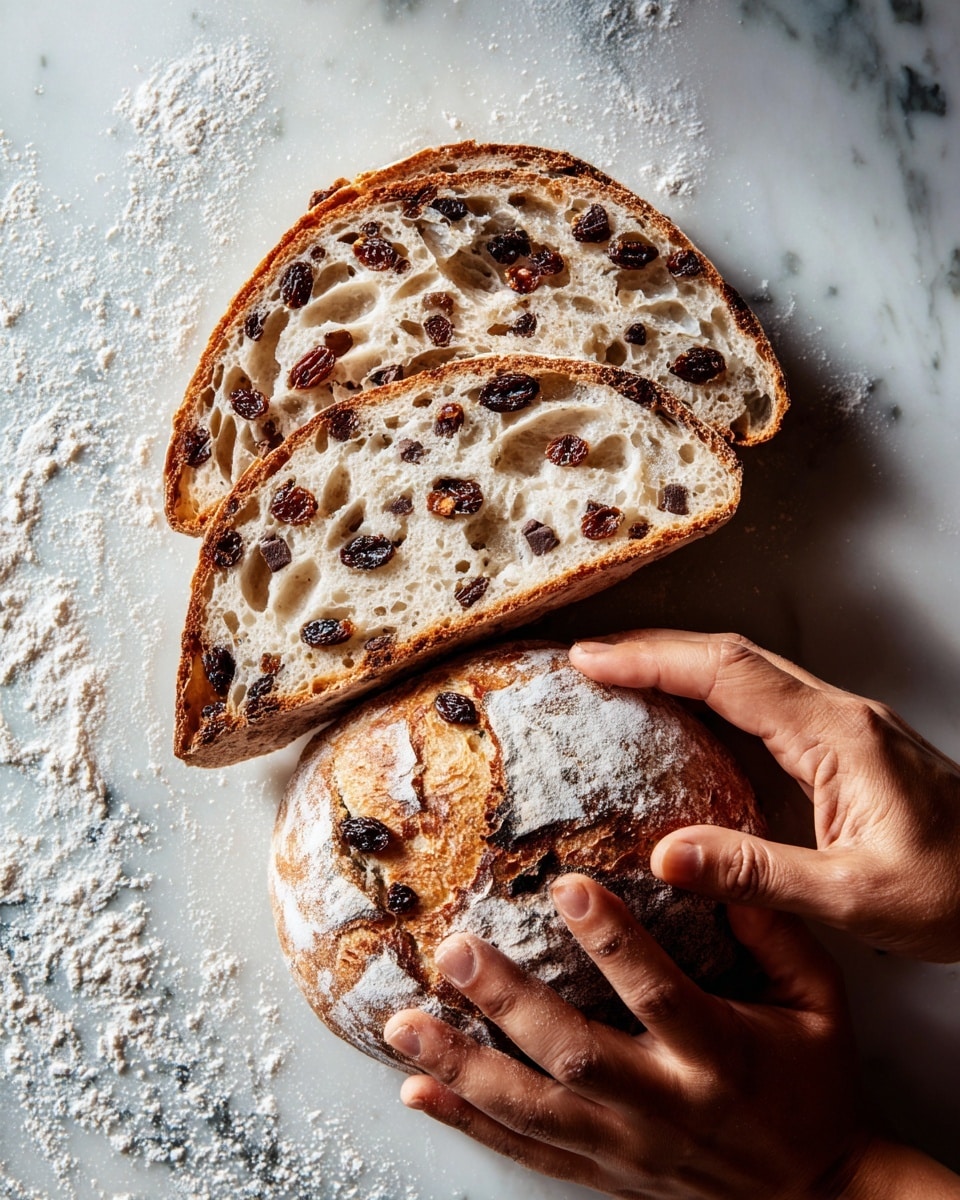
Ingredients
- 400g strong bread flour
- 100g whole wheat flour (or more bread flour)
- 350g water (around 70% hydration)
- 100g active sourdough starter
- 10g fine sea salt
- 100g dried figs, stems removed and chopped into small pieces
- 80g dark chocolate, roughly chopped into chunks
Instructions
- Step 1: The night before baking, feed your sourdough starter so it’s active and bubbly at mixing time.
- Step 2: About an hour before mixing, soak the chopped figs in warm water to rehydrate.
- Step 3: In a large mixing bowl, combine the flours and 325g of water. Mix until no dry spots remain. Cover and let rest for 30-60 minutes (autolyse).
- Step 4: Add the active starter, salt, and remaining 25g water (adjust as needed). Mix until combined and dough is shaggy.
- Step 5: Cover the dough and let it rest for the first 3 hours of bulk fermentation.
- Step 6: Perform the first stretch and fold about 30 minutes in.
- Step 7: Drain figs thoroughly and pat dry while the dough rests.
- Step 8: For the second stretch and fold (60 minutes after first fold), gently turn dough onto a lightly wet or floured surface. Stretch into a rough rectangle, sprinkle half the figs and chocolate evenly, then fold the dough over them.
- Step 9: Repeat the stretch, sprinkle, and fold process for the third fold using the remaining figs and chocolate.
- Step 10: Continue bulk fermentation for another 1-2 hours until the dough has increased in volume by about 20-30% and feels airy.
- Step 11: Gently shape the dough into a round or oval. Let rest covered for 20-30 minutes.
- Step 12: Shape the dough into its final loaf shape, creating surface tension and tucking inclusions inside.
- Step 13: Place dough seam-side up in a floured banneton, cover, and refrigerate for 8-12 hours (up to 24 hours) for cold proofing.
- Step 14: Preheat oven to 230°C (450°F) with Dutch oven inside, about one hour before baking.
- Step 15: Remove hot Dutch oven, gently invert dough inside, score the top, and bake with lid on for 20 minutes.
- Step 16: Remove lid, reduce temperature to 220°C (425°F), and bake another 25-30 minutes until crust is deep golden and internal temperature reaches 96-100°C (205-210°F).
- Step 17: Cool bread completely on a wire rack for at least 2 hours before slicing.
Tips & Variations
- Soak dried fruits thoroughly and pat dry to prevent soggy bread.
- Toast nuts and seeds to enhance their flavor and crunch.
- Incorporate inclusions during later stretch and folds to protect gluten development.
- Adjust hydration slightly when using large amounts of dry or moist inclusions.
- Experiment with savory inclusions like olives, sun-dried tomatoes, or herbs for a different flavor profile.
Storage
Store sourdough in a paper bag or bread box at room temperature for up to 3 days. For longer storage, slice and freeze in airtight bags for up to 3 months. To refresh, thaw at room temperature and lightly toast or warm in the oven.
How to Serve
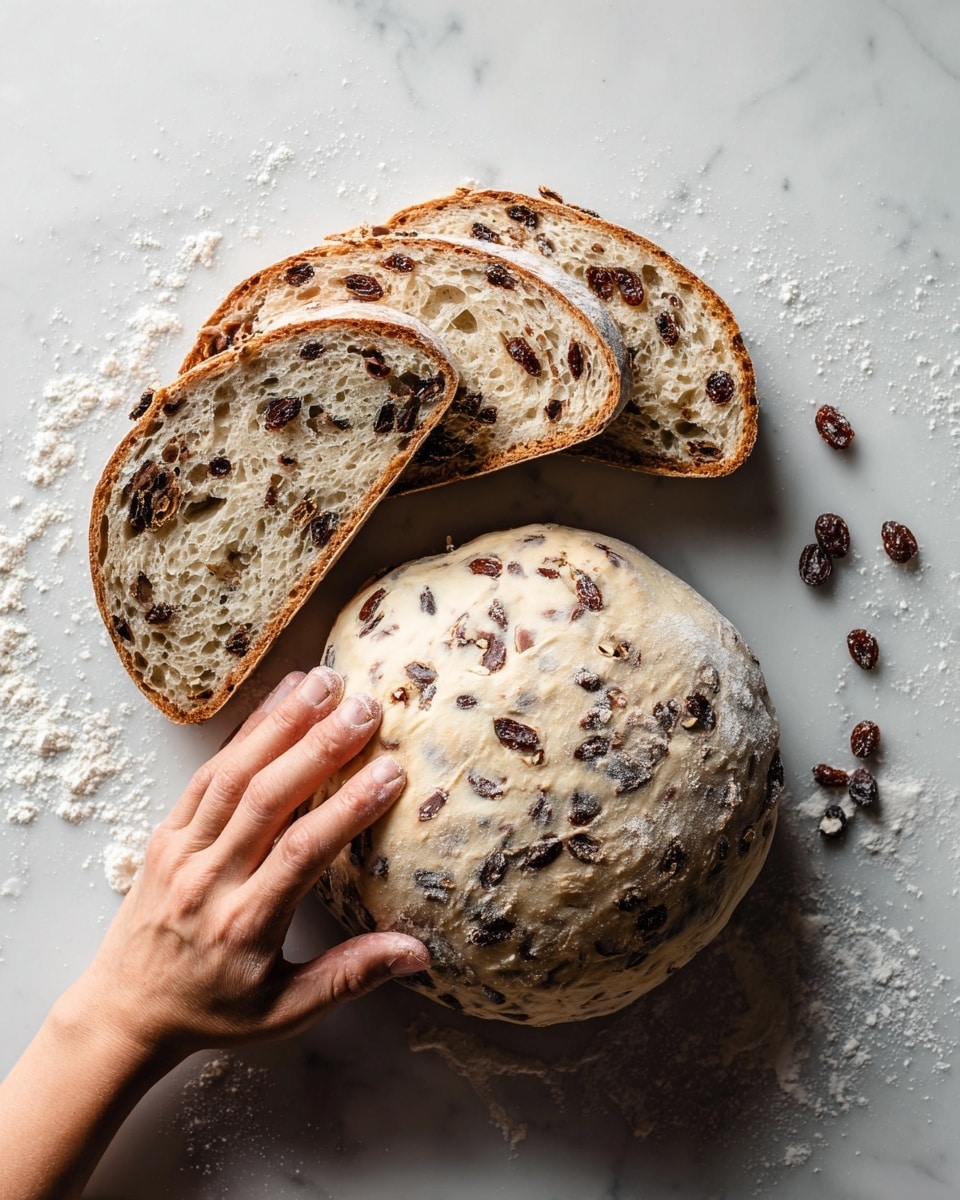
Serve this delicious recipe with your favorite sides.
FAQs
Can I use fresh fruit as inclusions?
Fresh fruit is generally too moist and can make the dough soggy. It’s better to use dried fruits that have been properly soaked and dried before adding.
When should I add the inclusions to the dough?
Inclusions should be added during the second or third stretch and fold, after the dough has developed its gluten network. This prevents tearing and ensures even distribution.
Print
Fig and Dark Chocolate Sourdough with Rich Inclusions Recipe
- Total Time: 10 hours (including cold proofing and fermentation)
- Yield: 1 loaf (approximately 800-900g) 1x
- Diet: Vegetarian
Description
Elevate your sourdough baking with this comprehensive guide and recipe focused on mastering the art of inclusions. Discover how to successfully incorporate dried fruits, nuts, seeds, chocolate, and savory elements into your sourdough to add new layers of flavor, texture, and visual appeal. Learn about hydration adjustments, timing of addition, and techniques to ensure even distribution without compromising gluten development. Featuring a detailed fig and dark chocolate sourdough recipe, this article empowers bakers to create unique, nutrient-rich, and visually stunning loaves that showcase creativity and expert technique.
Ingredients
Dough Ingredients
- 400g strong bread flour
- 100g whole wheat flour (or additional bread flour)
- 350g water (approx. 70% hydration)
- 100g active sourdough starter
- 10g fine sea salt
Inclusions
- 100g dried figs, stems removed and chopped
- 80g dark chocolate, roughly chopped into chunks
Instructions
- Prepare Starter: Feed your sourdough starter the night before baking to ensure it is active and bubbly at peak readiness.
- Soak Figs: Soak the chopped dried figs in warm water for 30 to 60 minutes to rehydrate. Drain thoroughly and pat dry before using to avoid excess dough moisture.
- Autolyse: Combine flours with 325g of the water in a large mixing bowl. Mix until no dry spots remain, then cover and rest for 30 to 60 minutes to hydrate the flour and begin gluten development.
- Mix Dough: Add the active starter, salt, and remaining 25g water to the autolysed dough. Mix using hands or a dough scraper until the dough is shaggy and all ingredients are incorporated.
- Bulk Fermentation & First Stretch and Fold: Cover dough and let rest. About 30 minutes in, perform the first gentle stretch and fold to begin gluten development.
- Drain and Pat Figs: After the first stretch and fold, drain and pat the soaked figs completely dry to prevent sogginess.
- Second Stretch and Fold with Inclusions: About 60 minutes after the first fold, turn dough onto a lightly floured or wet surface. Stretch dough into a rough rectangle and evenly sprinkle half of the figs and chocolate chunks over it. Perform a stretch and fold to incorporate.
- Third Stretch and Fold with Inclusions: Repeat the process sixty minutes later, adding the remaining figs and chocolate and folding gently into the dough.
- Continue Bulk Fermentation: Let the dough ferment for another 1 to 2 hours or until it has increased in volume by 20-30%, appearing light and airy.
- Pre-Shape: Gently turn the dough onto a lightly floured surface and shape into a round or oval. Cover and rest for 20-30 minutes without degassing the dough.
- Final Shape: Shape the dough into its final loaf form carefully, creating surface tension while keeping inclusions inside.
- Cold Proof: Place shaped dough seam-side up in a floured banneton or cloth-lined bowl. Cover and refrigerate for 8 to 12 hours (up to 24 hours) to slow fermentation and develop flavor.
- Preheat Oven: An hour before baking, preheat the oven to 230°C (450°F) with a Dutch oven inside.
- Bake: Remove hot Dutch oven carefully, invert the cold dough into it, and score the surface with a sharp blade. Bake with lid on for 20 minutes. Remove lid and reduce temperature to 220°C (425°F), bake another 25-30 minutes until crust is deep golden and internal temperature reaches 96-100°C (205-210°F).
- Cool: Remove bread from Dutch oven and place on a wire rack to cool completely for at least 2 hours before slicing to allow crumb set and flavor development.
Notes
- Soaking dried fruits prevents them from drawing moisture out of the dough, maintaining hydration balance.
- Add inclusions during later stretch and folds to avoid gluten network disruption.
- Toast nuts and seeds for added flavor but cool completely before adding.
- Distribute inclusions incrementally to prevent clumping and dense pockets in the bread.
- Adjust water amounts slightly depending on moisture content of inclusions to maintain dough consistency.
- Avoid aggressive kneading after adding inclusions to prevent tearing gluten and damaging inclusions.
- Keep inclusions tucked inside the dough during shaping to avoid burning during baking.
- Allow the bread to cool fully before slicing for best texture and flavor.
- Prep Time: 1 hour 30 minutes
- Cook Time: 50 minutes
- Category: Bread
- Method: Baking
- Cuisine: Artisan Sourdough
Keywords: sourdough bread, inclusions, dried figs, dark chocolate, artisan bread, baking tips, bread making, sourdough recipe, stretch and fold, fermentation